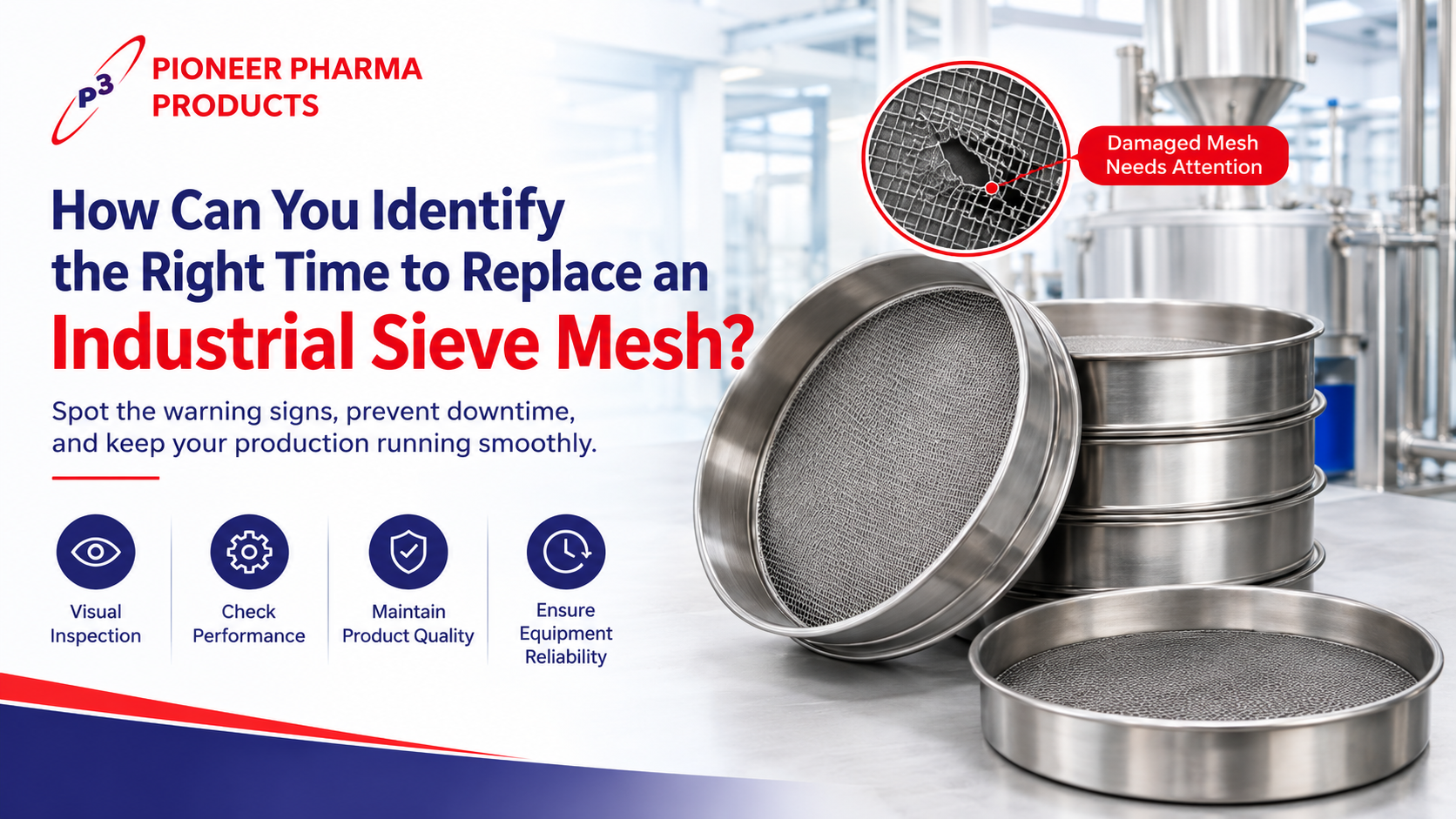
An industrial sieve mesh should be replaced when it shows broken wires, holes, deformation, corrosion, persistent blockage, or inconsistent screening performance. Regular inspections, changes in particle size, reduced production efficiency, and contamination risks help determine when replacement is necessary. Timely replacement supports product quality, equipment reliability, and consistent industrial processing.
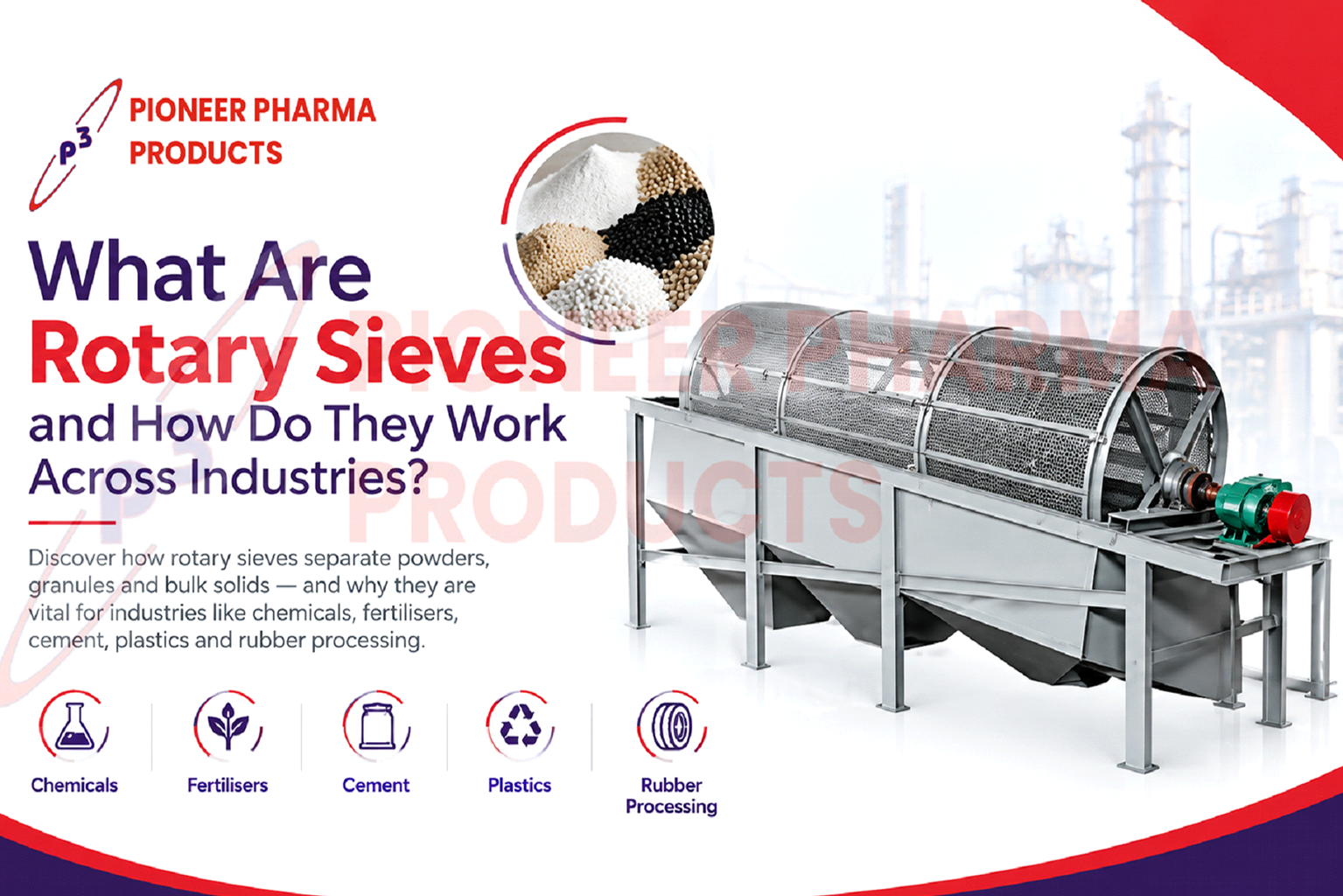
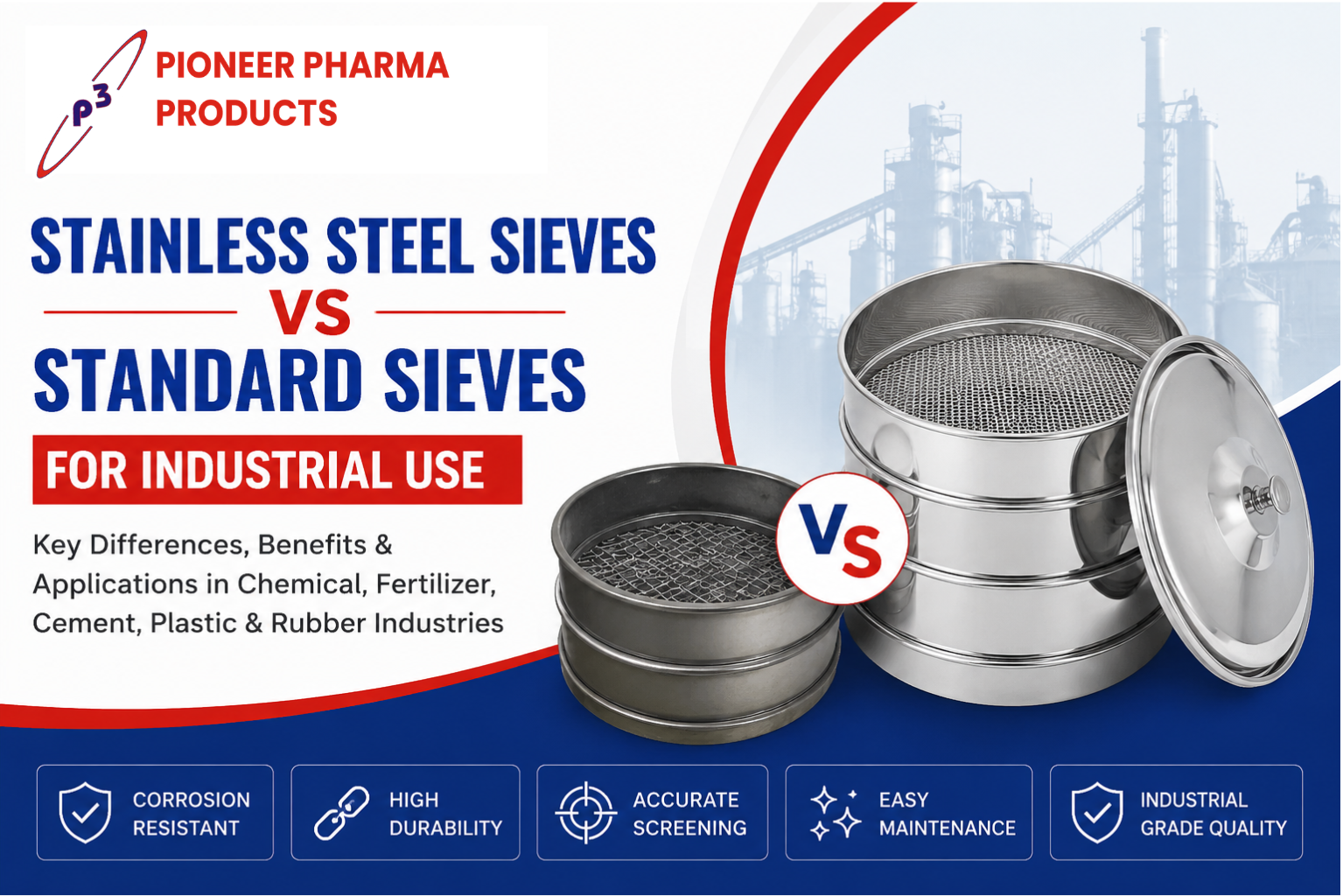
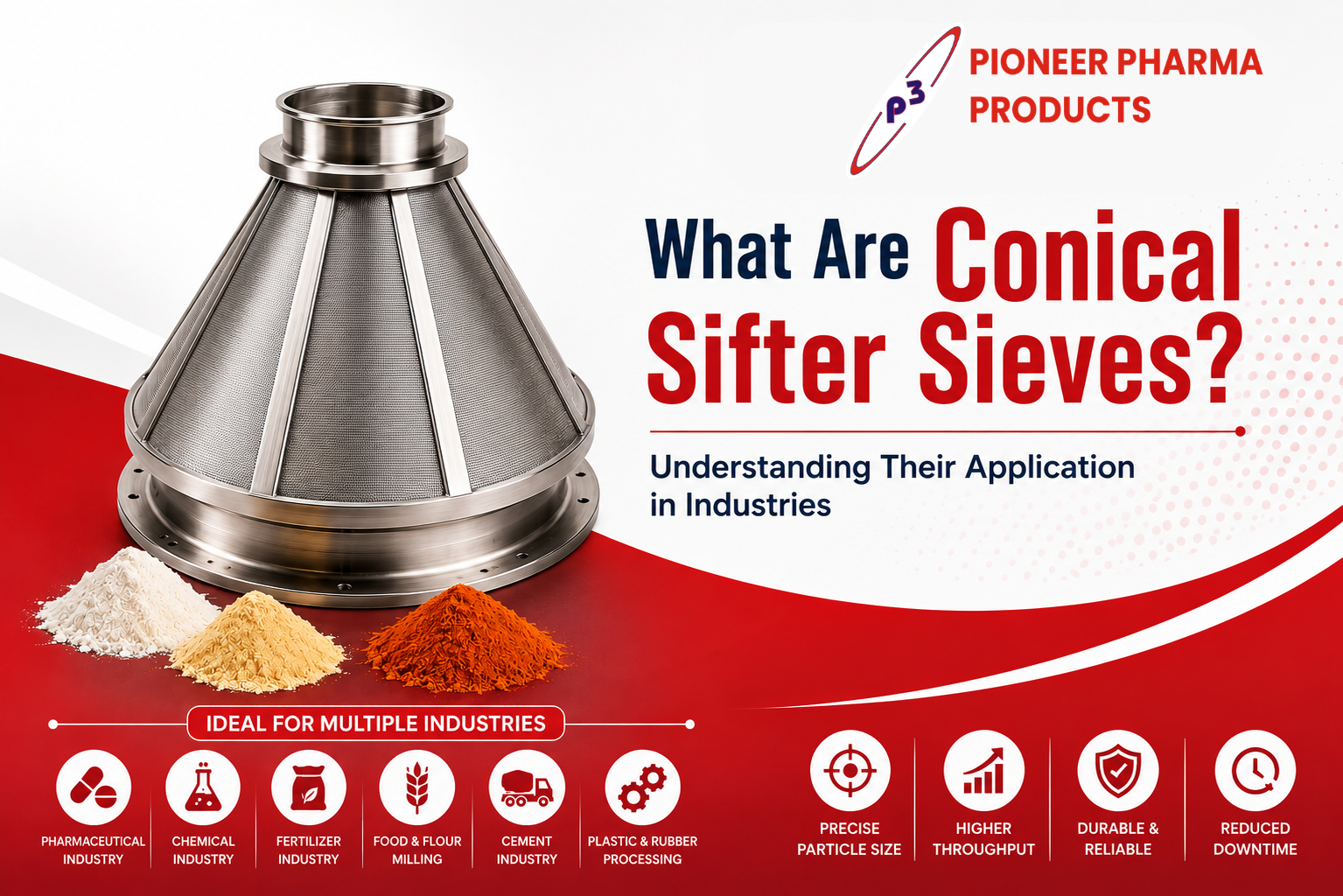
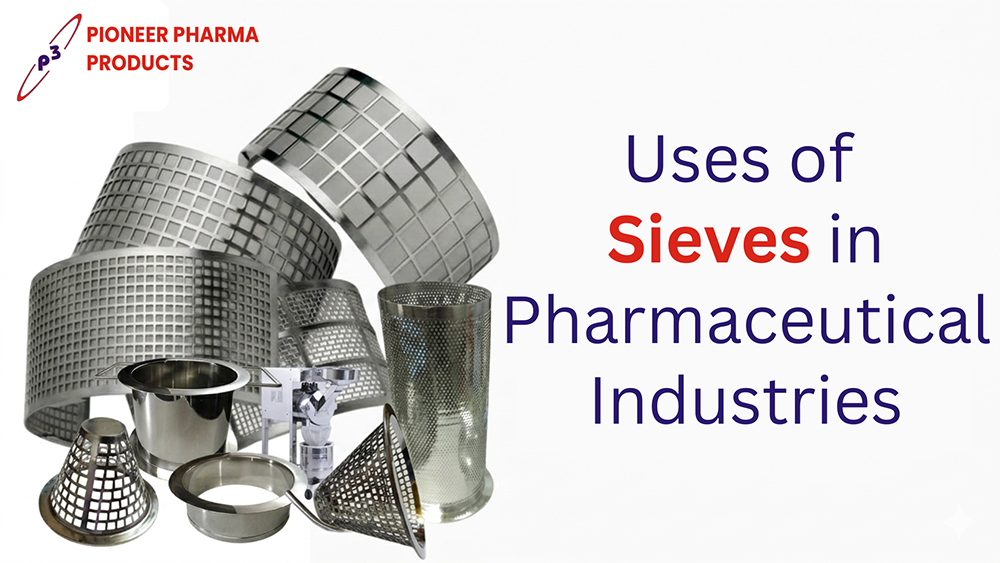
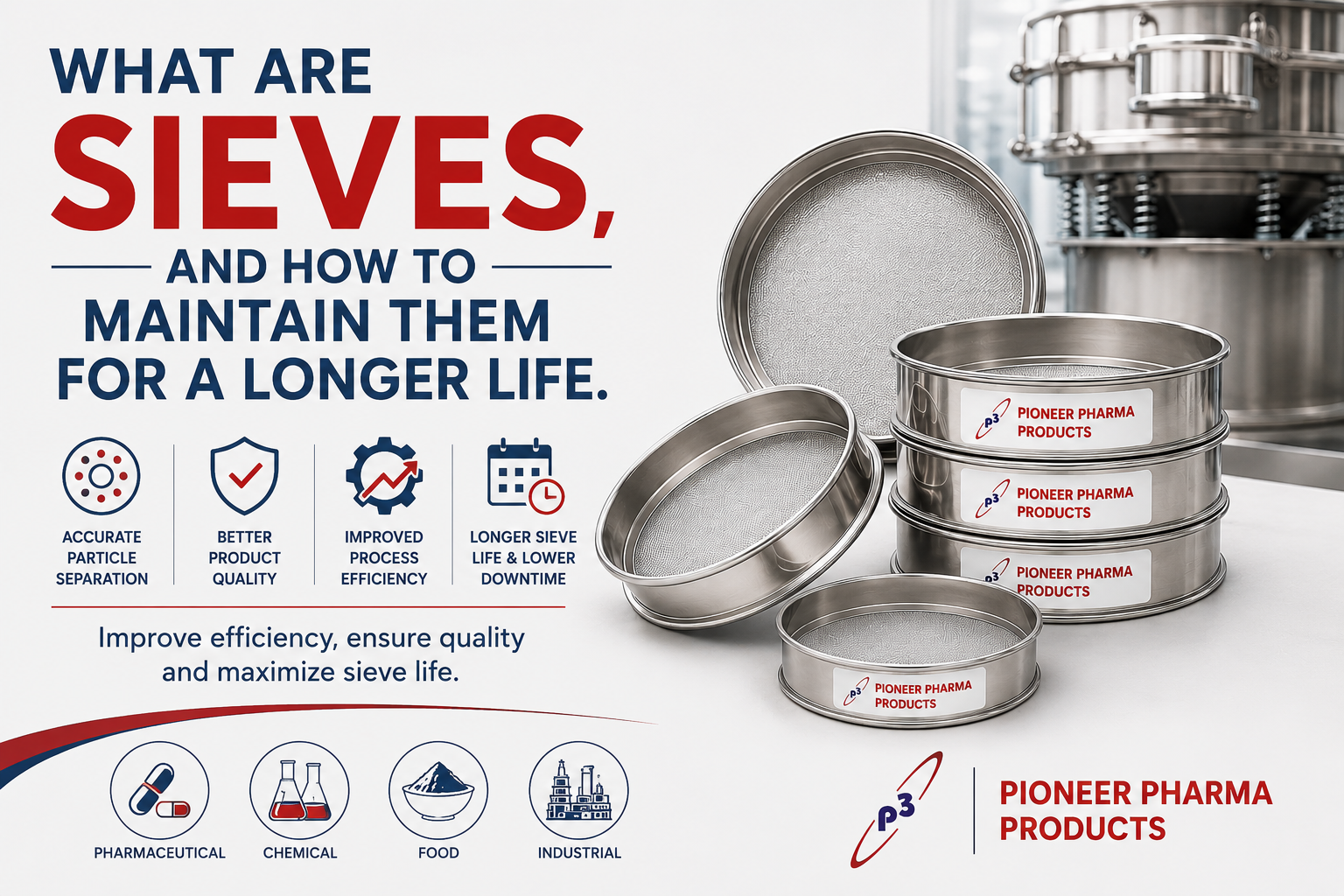
An industrial sieve mesh is a screening surface made from woven wire or a perforated material that separates particles according to size. It is used in machinery such as vibro sifters, Comill mills, multimills, and granulators.
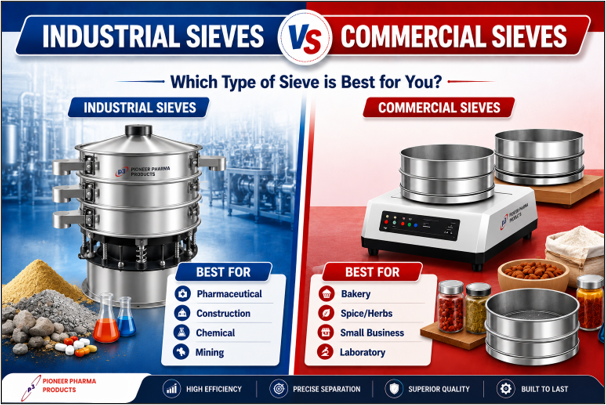
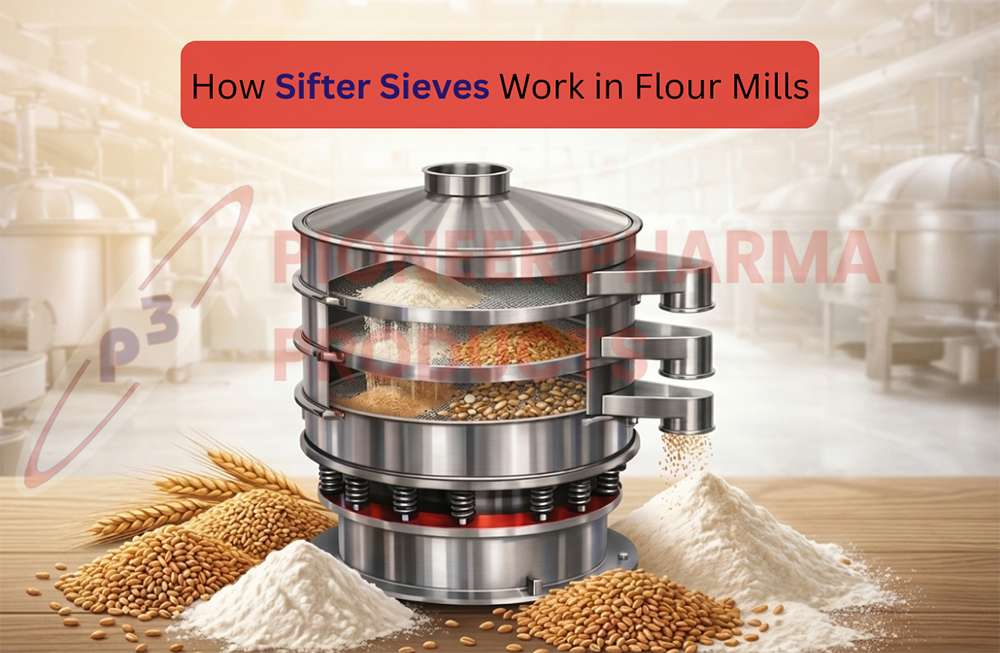
Industrial sieve mesh condition directly affects screening accuracy, material flow, and production consistency. In pharmaceutical, chemical, fertilizer, flour milling, cement, plastic, and rubber processing industries, damaged mesh can allow unwanted particles to pass through or prevent suitable material from flowing efficiently.
Pioneer Pharma Products manufactures industrial sieves for diverse processing applications, including pharmaceutical and other industrial sectors.
Recognising early signs of wear helps prevent unexpected downtime and product quality problems.
Key Notes: Any visible tear, deformation, or suspected contamination risk requires immediate assessment. Do not continue production with a sieve that may compromise product quality.
No universal replacement interval applies to every industrial sieve mesh. Its service life depends on material abrasiveness, operating hours, vibration intensity, cleaning methods, mesh specifications, and production conditions.
Use this practical inspection schedule as a starting point, then adjust it according to equipment performance and documented risk assessments.
| Inspection stage | What to check |
|---|---|
| Before each production run | Visible damage, cleanliness, correct installation |
| After cleaning | Broken wires, blocked openings, deformation |
| During scheduled maintenance | Wear patterns, frame condition, tension and fit |
| After abnormal operation | Tears, impact damage, unexpected changes in output |
In pharmaceutical manufacturing, documented preventive maintenance and proper equipment cleaning are especially important. The FDA's GMP guidance discusses equipment maintenance, cleaning procedures, and inspection practices.
The consequences of a damaged industrial sieve vary according to the material being processed.
The appropriate inspection frequency should reflect the material's abrasiveness, production volume, and the consequences of a screening failure.
Minor issues involving removable residue or superficial deposits may be resolved through approved cleaning procedures. However, cleaning cannot restore broken wires, torn mesh, permanent deformation, or corrosion-related structural damage.
Before deciding, assess:
When structural damage affects screening accuracy or product safety, replacement is generally the safer choice.
A preventive maintenance strategy can help reduce premature wear and unplanned production interruptions.
These practices help identify recurring failure patterns and establish a replacement schedule based on actual operating conditions rather than guesswork.
The correct replacement must match the machine, processing requirements, and material characteristics. Consider the following factors:
We offers a range of screening solutions, including Vibro Sifter Sieves, Comill Sieves, and Pulverizer Sieves.
Replacing an industrial sieve mesh at the right time helps maintain screening accuracy, product quality, and operational efficiency. Regular inspections, documented maintenance, and prompt action when damage appears can prevent avoidable production issues.
Pioneer Pharma Products manufactures a wide range of industrial sieves for multiple processing industries. Visit our Industries We Serve page to explore our applications and identify a suitable sieving solution for your operational requirements.
Common reasons include broken wires, deformation, corrosion, persistent blockage, and declining screening accuracy. Material abrasiveness and operating conditions also influence replacement frequency.
A properly specified, well-manufactured sieve can offer better durability, but its service life also depends on installation, cleaning, material characteristics, and operating conditions.
Manufacturers increasingly emphasise preventive maintenance, equipment performance monitoring, traceable maintenance records, and consistent product quality. Condition-based replacement can help facilities avoid both premature replacement and continued use of damaged mesh.
Not always. Pharmaceutical, chemical, fertilizer, cement, food-processing, plastic, and rubber applications have different requirements for mesh size, material compatibility, hygiene, and abrasion resistance.
Ensure consistent screening performance, product quality, and efficient processing with the right industrial sieve mesh. Pioneer Pharma Products offers a range of sieving solutions, including Vibro Sifter Sieves, Comill Sieves, and Pulverizer Sieves, designed for diverse industrial applications.
Get in touch with Pioneer Pharma Products today to find the right sieve mesh for your application.