Sieves are essential components used in the pharmaceutical‚ chemical‚ food, and manufacturing industries to separate‚ grade, and control the particle size of powders and granules․ Proper use of sieves ensures consistent product quality, better process efficiency, and reduced production errors in industrial operations.
In modern manufacturing, especially in pharmaceuticals, even minor variations in particle size can impact tablet quality, dissolution rate, and final product performance. This is why industrial sieves and commercial sieves are widely used in equipment such as vibro sifters, multimills, comills, and other screening machines.
In this guide, we will discuss what sieves are‚ how they work‚ the different types of sieves‚ how to extend their life for further efficiencies and how maintenance teams and procurement professionals improve efficiency and reduce equipment costs.
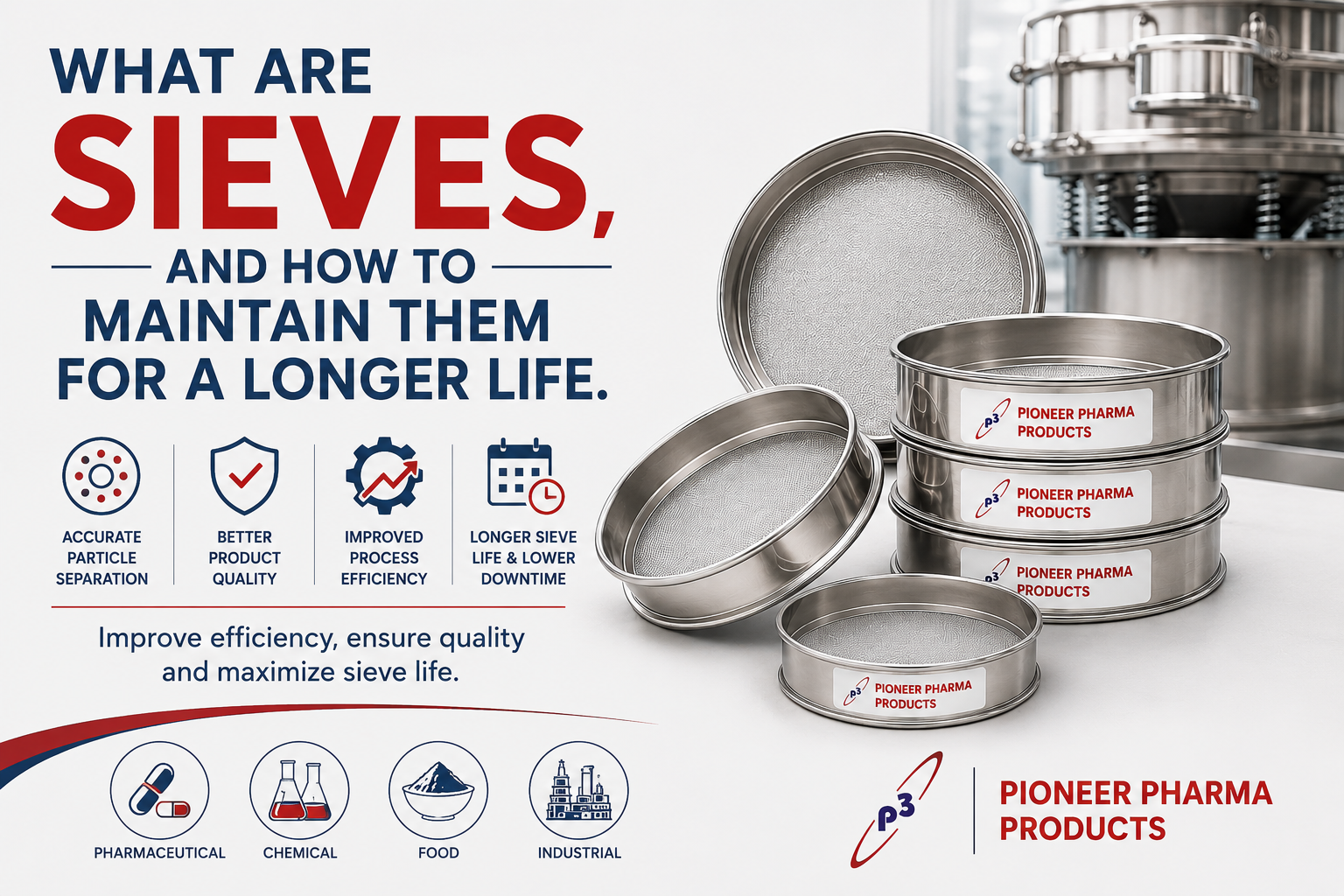
Sieves are mesh-based screening tools used to separate particles based on size. They are typically made using high-quality stainless steel mesh stretched over a circular or rectangular frame.
When material is processed through sieves:
Sieves are used in the following ways:
In pharmaceutical and industrial applications, industrial sieves are widely used in granulation, milling, blending, and powder processing stages.
Pioneer Pharma Products, based in Mumbai, specialises in manufacturing precision-engineered commercial sieves and industrial-grade screening solutions designed for high-performance applications.
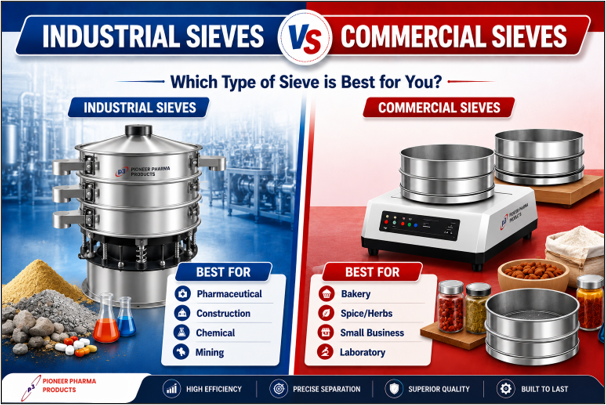
Particular applications may require different types of sieves depending on the machinery used and the production․
Each of these sieves is used for a specific purpose‚ and selecting the right type is essential for efficiency and product quality.
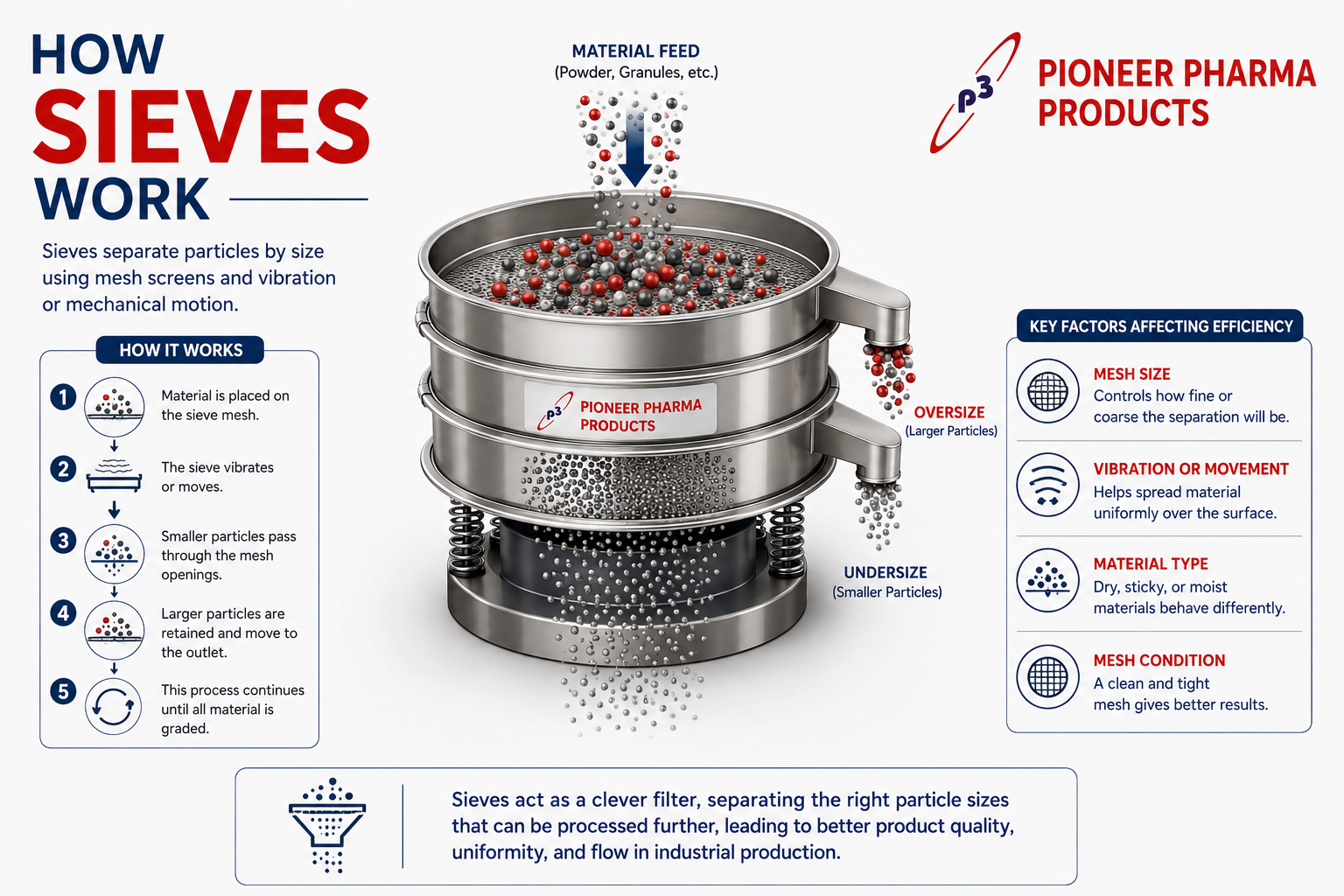
The working principle of sieves is quite simple and effective․
The technique of particle separation through mesh screens of different sizes is relatively easy to understand‚ although the industrial equipment is more advanced․
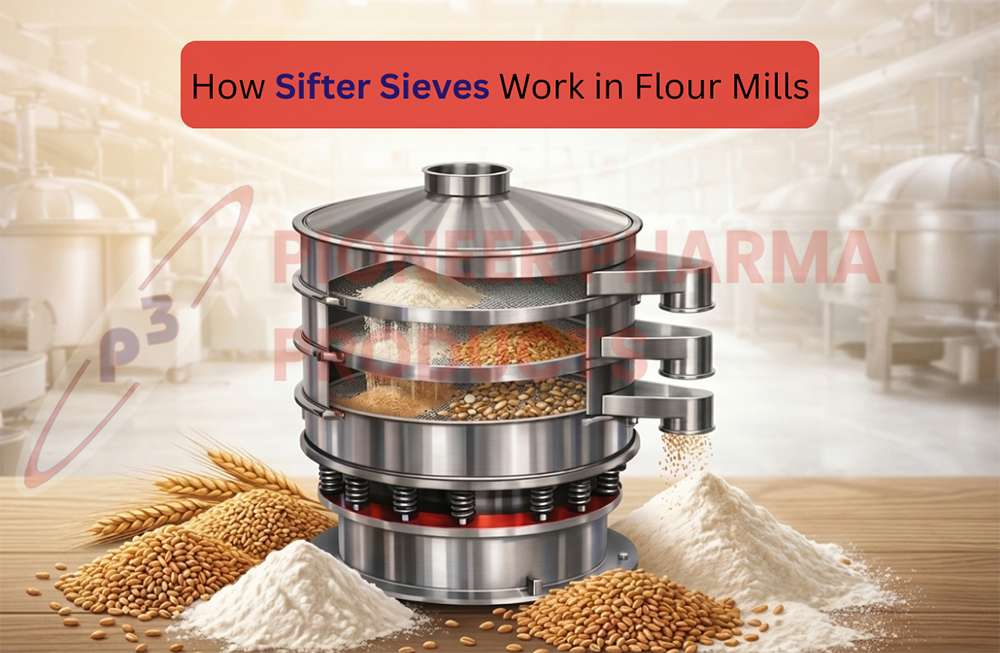
The material, like powder‚ granules‚ etc to be sieved is placed on an area of the sieve mesh which has very small holes of a fixed size․ The sieve then starts vibrating or is subjected to some other mechanical motion․
As the material moves:
This is repeated until all of the material has been graded․
The efficiency of both industrial and commercial sieves is dependent on a few basic factors:
In simple‚ sieves serve as a kind of clever filter‚ separating the right particle sizes that can be processed further‚ leading to better product quality‚ uniformity‚ and flow in industrial production․
Industrial and commercial sieves can develop some issues:
These problems are often due to improper handling and maintenance‚ and the incorrect selection of sieves․
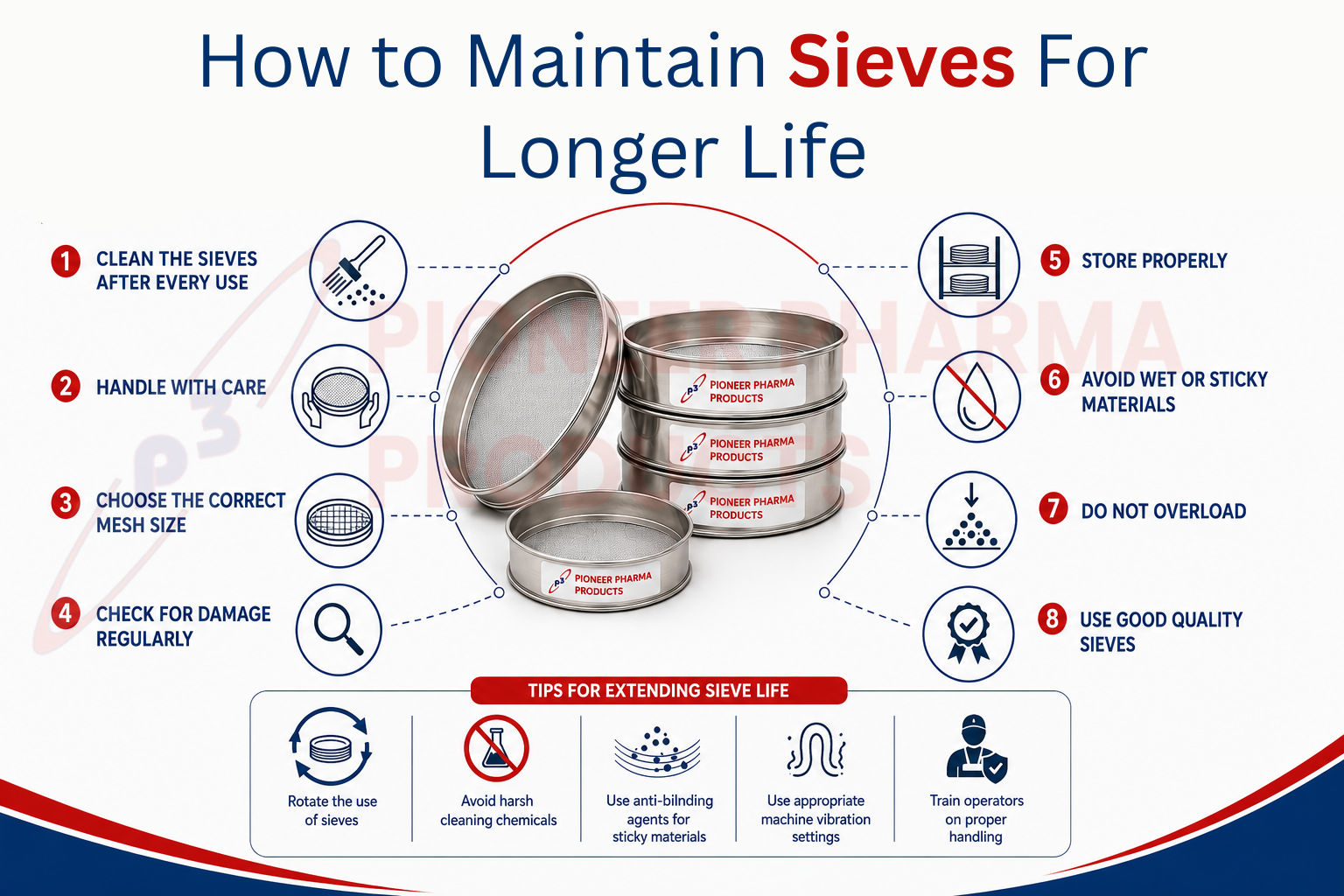
A proper maintenance of your sieves is pretty simple․ Maintaining your sieves is essential to get the most out of their useful life and to reduce your downtime․ By adopting a few good habits‚ you can extend the life of your sieves and prevent breakdowns․
1.Clean the Sieves After Every Use: The sieve surface should be thoroughly cleaned after every production run‚ because powder or granules on the surface of the mesh can clog the holes․Use a soft brush or air blower; avoid hard brushes or tools that could tear the mesh․
2.Handle with Care: Sieves may seem sturdy‚ but the mesh is fragile․ Avoid dropping‚ bending‚ or pressing down hard on the sieve‚ e․g․ when washing․ Even minor damage can affect performance․
3.Choose the Correct Mesh Size: Make sure to match the correct mesh size to the material used; consulting the manufacturer's directions is advisable․ The wrong mesh will wear the screen out faster‚ and you will not achieve good results․
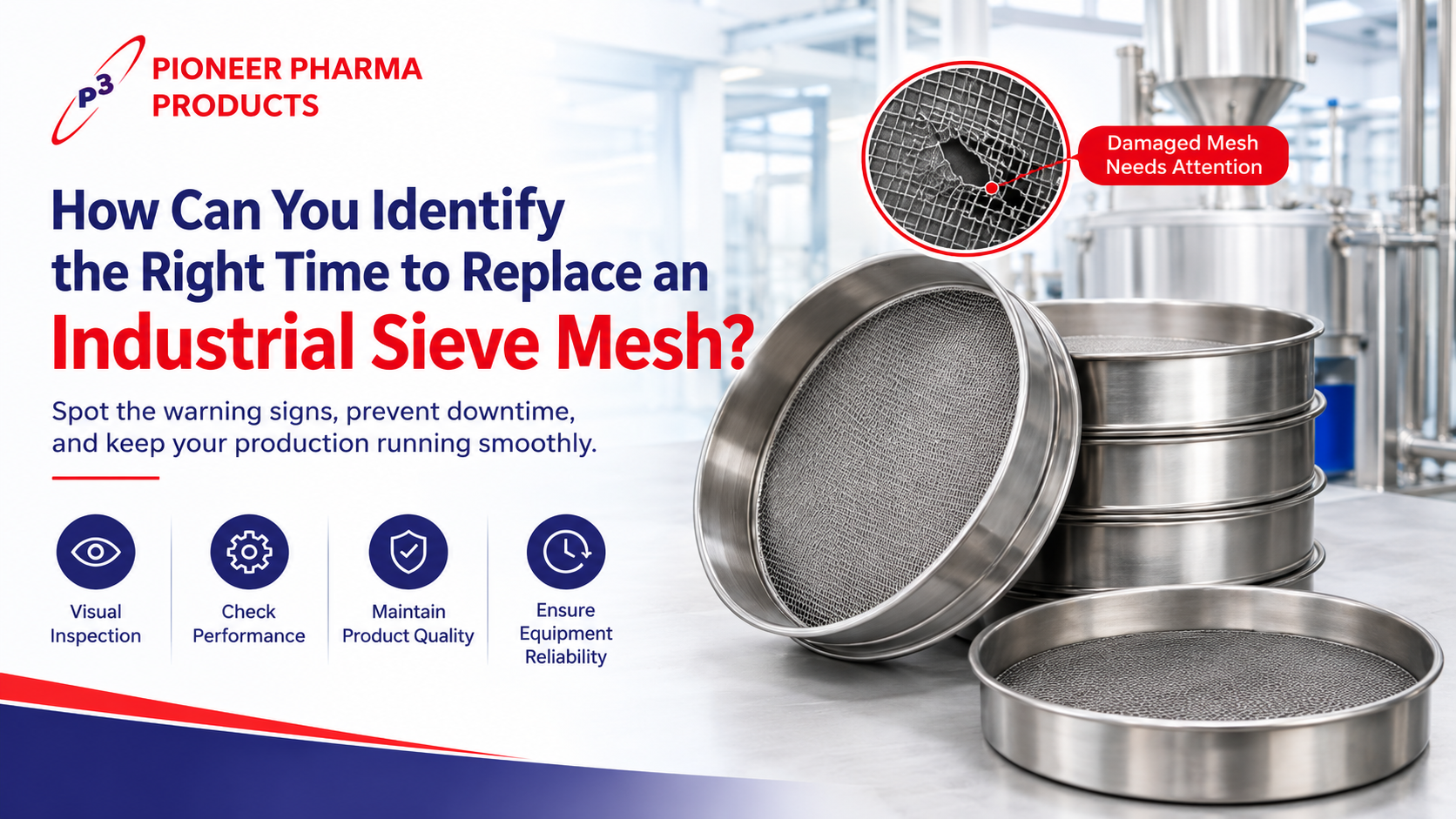
4.Check for Damage Regularly: Visually inspect the sieve before and after use for:
5.Store Properly: Unused sieves should be stored in a clean‚ dry place․ Heavy objects should never be placed on the sieves as this could damage the mesh or change its tension․
6.Avoid wet or sticky materials if possible: Moist or sticky materials tend to clog the mesh‚ and if this is unavoidable, the sieve should be brushed immediately after use․
7.Do Not Overload: Always work within the rated throughput of the sieve; overloading the sieve will affect the performance of the machine and the life of the mesh․
8.Use Good Quality SievesFor heavy-duty use‚ high-quality sieves‚ also called industrial commercial sieves‚ will outlast cheaper alternatives‚ and be more efficient in the long run‚ with less maintenance․
The life quality of sieves can be greatly extended and their replacement costs reduced by minor design modifications․
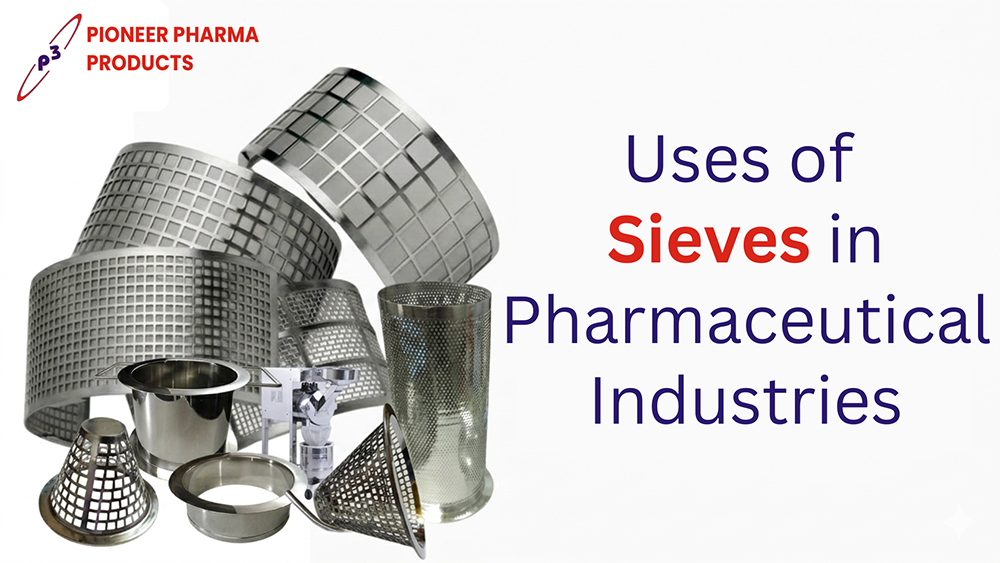
In pharmaceutical manufacturing‚ pharma sieves ensure:
Poor-quality sieving can lead to batch rejection, making high-quality industrial sieves critical for production success.
In many pharmaceutical plants‚ sieve mesh damage is seen when metal brushes instead of soft nylon brushes are used to clean the mesh․
Sieves are among the simplest but most critical components in industrial processing‚ and their choice affects product quality‚ efficiency‚ and cost․ With correct use and care‚ industrial sieves and commercial sieves can have a longer lifespan‚ less downtime, and improved production efficiency․
Pioneer Pharma Products, we manufactures long-life, high-precision sieves for pharmaceutical‚ chemical‚ food and industrial applications․
Selecting the right manufacturer for high-performance sieves is essential for achieving excellent results․ Pioneer Pharma Products is one of the trusted names in India for high-quality sieves designed for demanding manufacturing environments.
Established in 2005, Pioneer Pharma Products brings over 20 plus years of experience in manufacturing precision-engineered screening solutions. The company specializes in vibro sifter sieves, comill sieves, multimill sieves, and other advanced sieving systems used across pharmaceutical, chemical, and food processing industries.
We focus on delivering:
With a strong focus on quality engineering and performance optimization, we ensure that every sieve delivers superior screening efficiency, better product consistency, and longer service life.
Sieves are mesh-based screening tools used to separate particles based on size in pharmaceutical, food, and industrial applications.
Sieves are used for particle separation, impurity removal, uniform granule sizing, and improving product quality during manufacturing.
Pioneer Pharma Products is a trusted industrial sieves manufacturer offering precision-engineered sieves for the pharmaceutical, chemical, and food industries.
Pharma sieves help maintain uniform particle size, improve blending efficiency, and ensure GMP-compliant production processes.
Sieves in the nutraceutical industry help achieve consistent powder quality, remove impurities, and improve product uniformity during supplement manufacturing.
Contact us for reliable sieves designed for maximum performance and longservice life.